

Essential Tips for Efficient Vehicle Recovery After an Accident
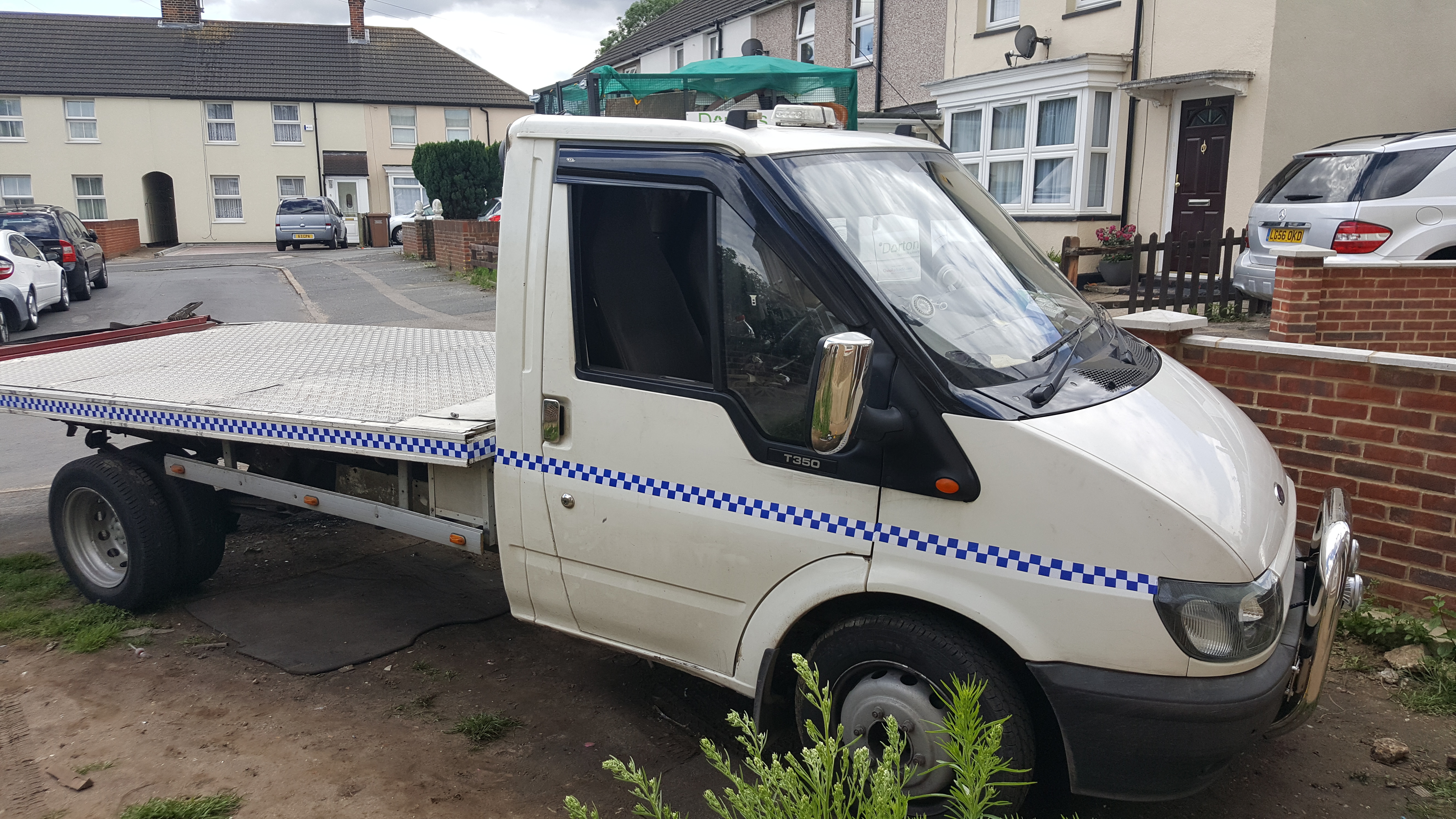
An accident can turn your day upside down in seconds. Beyond the immediate shock and potential injuries, dealing with the aftermath—especially recovering your vehicle—can be a stressful and confusing process. Knowing how to handle vehicle recovery efficiently can save time, reduce costs, and help you regain control quickly.
Understanding the right steps to take after an accident ensures your vehicle is recovered safely and legally, minimizing further damage or complications. This guide offers practical advice to help you navigate vehicle recovery smoothly.

Assess the Situation Immediately After the Accident
The first moments after an accident are critical. Before focusing on vehicle recovery, ensure everyone involved is safe. If anyone is injured, call emergency services immediately.
Once safety is confirmed, evaluate the condition of your vehicle. Check if it is safe to move or if it should remain where it is until professional help arrives. Moving a severely damaged vehicle can cause more harm or create hazards on the road.
Take photos of the accident scene and your vehicle from multiple angles. These images will be useful for insurance claims and can help recovery services understand the situation before arriving.
Contact the Right Recovery Service
Choosing the appropriate recovery service depends on the accident’s severity and your vehicle’s condition. If your vehicle is drivable, you might be able to drive it to a repair shop yourself. If not, you will need a tow truck or specialized recovery vehicle.
Look for recovery services that operate 24/7 and have good reviews for reliability and professionalism. Some insurance companies have preferred providers, which can simplify the process and reduce costs.
When calling, provide clear information about your location, the vehicle’s condition, and any hazards present. This helps the recovery team prepare the right equipment and personnel.
Understand Your Insurance Coverage for Vehicle Recovery
Before arranging recovery, review your insurance policy to understand what is covered. Some policies include roadside assistance or towing services, which can save you money.
If your insurance covers recovery, contact your insurer first. They may arrange the tow or reimburse you for the service. Keep all receipts and documentation related to the recovery for your records.
If you do not have coverage, ask the recovery service for a clear estimate before they begin work. Avoid surprise charges by confirming rates for towing distance, time, and any additional services.
Prepare Your Vehicle for Recovery
If it is safe and possible, prepare your vehicle for towing. Remove personal belongings and valuables to avoid loss or damage.
Ensure the vehicle is in neutral gear and the parking brake is off, unless instructed otherwise by the recovery team. This makes it easier to load the vehicle onto the tow truck.
If your vehicle has special features like low clearance or all-wheel drive, inform the recovery service. They may need specific equipment or techniques to handle your vehicle safely.
Stay Safe During the Recovery Process
While waiting for recovery, stay in a safe location away from traffic. Use hazard lights and warning triangles if you have them to alert other drivers.
When the recovery team arrives, follow their instructions carefully. Do not attempt to assist unless you are trained, as improper handling can cause injury or further damage.
If the accident occurred on a busy road, the recovery team might coordinate with police or traffic control to secure the area. This ensures safety for everyone involved.
Choose a Reliable Repair Shop or Storage Location
Once your vehicle is recovered, it will need to be taken to a repair shop or storage facility. If your insurance company is involved, they may recommend approved repair centers.
If you choose your own repair shop, verify their credentials and experience with accident repairs. Ask for estimates and timelines before authorizing work.
If your vehicle is not immediately repairable, it may be stored at a secure location. Confirm the storage terms, fees, and access policies to avoid surprises.
Keep Detailed Records Throughout the Recovery
Document every step of the recovery process. Keep copies of all communications with recovery services, insurance companies, and repair shops.
Record dates, times, names of contacts, and any costs incurred. This information will be valuable if disputes arise or for future reference.
Learn from the Experience to Prepare for the Future
Accidents are stressful, but they also offer lessons. Consider signing up for roadside assistance programs if you don’t already have one.
Keep emergency numbers saved on your phone and a basic recovery kit in your vehicle, including reflective triangles, a flashlight, and contact information for trusted recovery services.
Understanding vehicle recovery procedures ahead of time can reduce anxiety and help you act quickly if another accident occurs.


Comments